
Sep
24
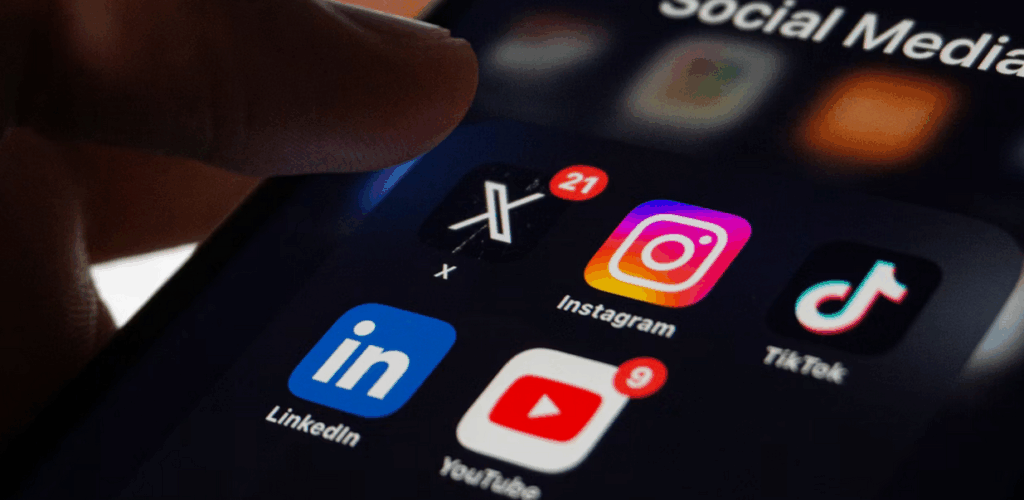
Managing multiple profiles on social media can be a difficult task, especially for businesses and content creators aiming to maintain a strong online presence across platforms. Juggling different profiles requires strategy, organization, and consistency to prevent burnout and ensure each account performs optimally. Without proper planning, content can become disorganized, posting schedules may clash, and engagement levels can suffer. Understanding the best practices for managing multiple social media accounts helps streamline operations, maintain a consistent brand voice, and maximize audience interaction. In this article, we discuss essential tips that can transform the way you handle multiple accounts and maintain an effective social media presence.
Use a Centralized Social Media Management Tool
One of the most effective ways to manage numerous social media accounts is by using a centralized social media management tool. Platforms such as Hootsuite, Buffer, or Later allow users to schedule posts, monitor engagement, and track performance across different accounts from a single dashboard. Centralized tools reduce the time spent switching between apps, minimize errors, and provide a clear overview of activity on each account. By consolidating tasks in one location, users can focus on creating high-quality content and responding to followers efficiently, which is crucial for maintaining active engagement across multiple platforms.
Maintain Consistent Branding and Voice

Consistency is criticalwhen managing multiple social media accounts. Each account should reflect a coherent brand identity, including tone, visual elements, and messaging style. A uniform approach strengthens brand recognition and builds trust with audiences, even across different platforms. To achieve consistency, create brand guidelines that outline color schemes, fonts, posting style, and language. This approach prevents confusion and ensures that every post reinforces the brand’s image. Whether posting on Instagram, LinkedIn, or Twitter, maintaining a consistent voice across accounts enhances credibility and makes management more straightforward.
Develop a Comprehensive Content Calendar
Content calendars are essential tools for managing multiple accounts efficiently. Planning content in advance helps avoid last-minute scrambling and ensures each account receives regular and relevant posts. Calendars can be organized weekly, monthly, or quarterly, depending on posting frequency and campaign needs. Incorporating themes, promotional schedules, and important dates allows for a balanced mix of content, including educational posts, promotional updates, and interactive media. A well-organized calendar reduces redundancy, prevents overlooked opportunities, and allows teams to coordinate across accounts, keeping content fresh and engaging for all audiences.
Monitor Analytics and Engagement

Tracking performance metrics across multiple accounts is crucial for effective social media management. Monitoring analytics provides insights into which types of content resonate with audiences, the best posting times, and engagement trends. Metrics such as likes, shares, comments, click-through rates, and follower growth can guide future content strategies. Setting up regular reporting schedules helps identify underperforming accounts and enables timely adjustments. By analyzing data consistently, social media managers can make informed decisions, optimize strategies, and allocate resources efficiently, ensuring each account contributes positively to overall brand objectives.
Delegate and Automate When Possible
Managing multiple social media accounts does not have to be a solo effort. Delegating responsibilities among team members allows for specialized attention to each platform while preventing overload. Assign roles for content creation, scheduling, engagement, and reporting to distribute the workload effectively. Additionally, automation tools can handle repetitive tasks, such as scheduling posts or sending reminders for engagement follow-ups. Automating routine tasks saves time, reduces human error, and allows social media managers to concentrate on strategy and creativity rather than repetitive administrative duties.
Effectively managing social media accounts requires a combination of organization, strategy, and efficient use of resources. Utilizing centralized management tools simplifies workflow and provides an overview of activity across platforms. Maintaining a consistent brand voice ensures recognition and credibility among followers. Developing a comprehensive content calendar keeps posts timely and relevant while preventing redundancy. Monitoring analytics allows for data-driven adjustments that optimize engagement and performance. Finally, delegating responsibilities and using automation tools can reduce workload and increase efficiency. By implementing these five best practices, social media managers can maintain active, engaging, and professional accounts across multiple platforms without feeling overwhelmed.…

 Engaging in conversations on Twitter is more than just firing off a quick reply or retweet. To truly make the most of top trends, you need to get creative with your engagement strategies. Don’t be afraid to inject some personality into your responses. Show off your sense of humor, share personal anecdotes, or even use memes and emojis to add some flair. The key is to stand out and catch people’s attention amidst the sea of tweets. Actively seek out relevant conversations and contribute meaningfully. Don’t just jump onto any trending topic without understanding its context. Take the time to research and understand what people are talking about before joining in. This will help you provide valuable insights and opinions that resonate with others.
 When it comes to making the most of top trends on
 Engaging with your audience is crucial for building a strong and loyal following on Twitter. After you buy Twitter followers, it’s important to continue engaging with them in order to maintain their interest and keep them actively participating in your online community. One way to engage with your audience is by responding to their tweets or comments. Take the time to read through their messages and reply thoughtfully. This shows that you value their input and are interested in what they have to say. It also helps foster a sense of connection between you and your followers. Another strategy for engagement is asking questions or running polls. Encourage your followers to share their opinions or preferences on various topics related to your niche.